



Jackson Hole Dietician Eden Morris explains why.
Although I’m not a vegetarian, I actually do not eat a lot meat. Frankly, it’s due to cost. In late 2015, I gave up meat for an extended period of time because meats were the most expensive items on my grocery list. Eventually, I decided to reintroduce meat back into my diet in a really stupid way – eating a chorizo burger. The next day I regretted it.
Most of us think we have an intolerance to a food if we experience indigestion. This might not always be the case though. I couldn’t handle the beef and sausage because my body had down regulated the enzymes necessary to break down the proteins in the meat!
Eventually, I was able to slowly reintroduce meat back into my diet, and now, the only kind I still struggle with is ground beef.
Although I do not have any true intolerances or allergies, I do find that I tend to gravitate toward more plant based protein options or even just reduce my consumption of red meat if I can. I’m a “flexitarian” – a flexible vegetarian. Sometimes I eat meat, sometimes I don’t.
I’ve got a few ways you can make sure you’re getting enough protein each day to support an active lifestyle no matter how much meat you consume.
First thing’s first: How much protein do you need each day depends, but I can give you a couple targets and ranges to think about.
My recommendations for protein intake is usually 1.2-2.0 grams/kilogram of body weight, which is dependent on several factors, but that usually breaks down to 20-35 grams of protein per meal and 15-20 grams of protein a snack.
Another thing to keep in mind is most plant proteins are usually incomplete proteins, meaning they do not contain all nine essential amino acids. The easiest way to make sure you’re getting all nine from plants is to eat a wide variety of sources instead of just a couple. Coincidentally, this also boosts gut health!
But a word of caution to those who think it’s better to exceed daily from professionals: More than enough is not better than enough.
This is true with protein and dietary supplements because your kidneys have to filter out excess amounts of anything you put into your body. This may not be a big deal right now, but it will be later in life in order to prevent Chronic Kidney Disease. Don’t overwork your kidneys. They literally work 24/7 to filter and purify your blood.
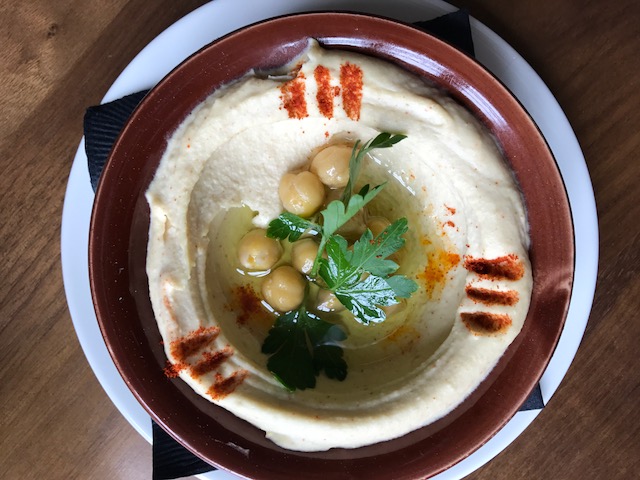
How to eat more protein if you don’t eat a lot of meat
- Make sure to include protein in your recovery from physical activity.
- For endurance recovery (an endurance activity is any activity lasting longer than 1 hour): 3 to 1 ratio of carbs to protein, so at least 60 grams of carbs to 20 grams of protein.
- For strength recovery (I recommend strength training to cross train for endurance activities): 2 to 1 ratio of carbs to protein.
- The best way to recover after any activity is to eat a meal with at least 20 grams of protein and some proportion of carbohydrates, but a snack will suffice until you’re able to consume your next meal.
2. Keep a variety of protein sources in your kitchen and pantry at all times.
Protein sources you can find in this mountain sports dietitian’s kitchen:
- Eggs
- Greek yogurt
- Cottage cheese
- Seeds (pumpkin seeds, chia seeds, hemp heart seeds)
- Nuts
- Nut butters
- Tuna/salmon
- Tofu
- Quinoa (one of the few complete plant protein sources!)
- Black beans and chickpeas
- Black bean burgers
- Collagen peptides
3. Add protein to meals and snacks:
- Adding an extra egg to your veggie scramble in the morning.
- Top salads, yogurt, toast, or oatmeal with nuts and seeds.
- Add collagen peptides to your coffee (I like this women-owned company based out of Colorado).
- Use soy milk and Greek yogurt as the base for a smoothie. Soy milk has more protein than all the other plant based milks.
- Pair nut butter with a banana or an apple for a functional snack.

1 Comment










[…] Read more – DISHINGJH.COM […]