

Find out some of the benefits of hunting for and eating wild game.
Before I moved to Jackson Hole, I rarely tasted wild game. I sometimes would have venison while tailgating before football games, but other than that, my exposure to wild game and knowledge surrounding its benefits was minimal.
So when Lolly, my dietetic intern, told me she wanted to learn about the benefits of hunting and consuming wild game, I was delighted! I know I have a lot to learn regarding the subject, and I think it is important to educate myself and others on it since I live in an area where hunting wild game is a facet of life to so many within the Jackson Hole and Teton Valley communities. Check out what she discovered about this fascinating topic:
Wild Game: The Benefits of Hunting for Your Food
There is a fair argument out there that hunting for food is much more cost efficient than buying from the store, despite the upfront costs of buying a rifle and gear. However, there are far more benefits to hunting for your food than buying your meat at the grocery; seen in the environmental factors, greater nutritional value and tremendous health benefits.
To begin with, Concentrated Animal Feeding Operations (CAFO) causes issues for the environment. The animals in CAFOs are fed grain because of the mass availability of it. This overabundance is from decades of governmental incentives to grow a monocrop. The practice of monocrop leads to decreased soil diversity, which is poor for the environment and the health of the animal. This aids in the need for antibiotics because of the unnatural diet and close quarters in the CAFO. The antibiotics will then course their system and eventually end up in our water.
Additionally, conventionally-raised beef is high in omega-6 fatty acids, which leads to inflammation. This inflammation can be seen in joint pain, brain fog and poor physical performance, to name a few. However, beef is a good source of zinc and iron, which is an especially important part of the athlete’s diet. Conventional beef is also high in saturated fat. Fat provides the building blocks for cholesterol. With great consumption of beef (often the main attraction of the American dinner plate), this can lead to increased LDL levels which is associated with cardiovascular disease. I am a believer that it isn’t the protein causing the disease, but that it is too difficult to separate protein from saturated fat in the American diet when conducting a study. This is why research says that high meat consumption is associated with cardiovascular disease.
What about wild game? Wild game is lean and is significantly lower in saturated fat, which is a great option for those looking to cut down on fat intake. Additionally, it is lower in omega-6 and higher in omega-3 fatty acid. This means there are anti-inflammatory effects due to the balance of omega-3 present in the meat. Similar to cows, the meat is also a great source of iron and zinc.
Iron plays an important role in preventing anemia and zinc functions as an antioxidant which will help reduce oxidative stress. Because the elk consume their natural diet, the quality of the meat is better than grain-fed cows. Elk also provide a rich source in naturally occurring creatine (also in cows), which has a few potential benefits itself. Creatine is said to increase your stores of phosphocreatine. This is a system for anaerobic energy production. It is also said to help increase muscle mass and provide power for anaerobic exercises. Additionally, creatine may be beneficial for brain function and fighting neurological disorders.
I am new to hunting, but I am so thankful to have mentors teaching me along the way. The first step I took was enrolling in an online hunter’s safety course and then completing a day long field day course and exam. After that, I bought a rifle, started practicing and soaked up all the tips I could. I bought a general elk tag and we were on our way.
I am new to hunting, but I am so thankful to have mentors teaching me along the way. The first step I took was enrolling in an online hunter’s safety course and then completing a day-long field day course and exam. After that, I bought a rifle, started practicing, and soaked up all the tips I could. In hunting, it is just the game of the gun. The better you learn to use it, the greater would be your hunting game. Since rifles tend to be on the heavier side, people starting out in this field could go for a lighter alternative, such as this magpul prs lite in stock. I personally was ok with the rifle. Besides that, I bought a general elk tag and we were on our way.
On the last day of the general tag season we harvested early in the morning. It all happened so quickly, chasing the elk down and then watching her fall. What felt so strange to me was finally being able to talk normally instead of whisper. We worked together to quarter her up and pack her out. I had no idea how heavy they are, but thankfully my partner is experienced and creative when it comes to packing them out. After processing her and filling the freezer, we have been eating elk several times a week. What a luxury. After all, you are what you eat, eats.
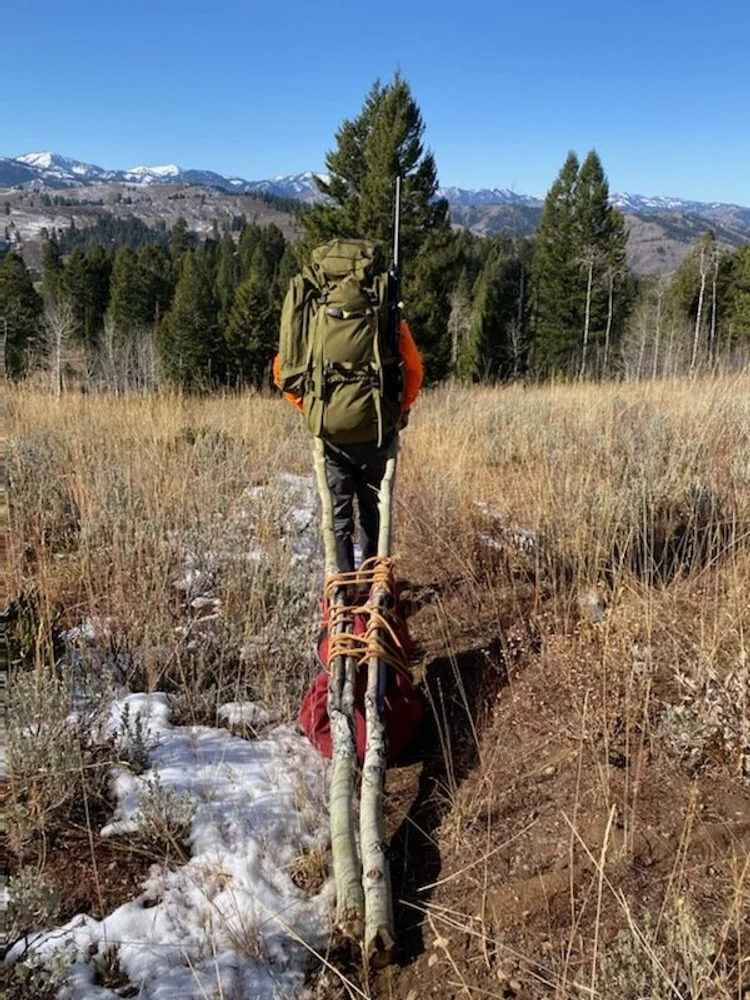
Image courtesy of Lolly Steuart
Pictured: Forrest Jillson
Sources:
- Carrie Hribar, C. H. (1998). Understanding Concentrated Animal Feeding Operations and Their Impact on Communities. Environmental Health, 2–6. https://www.cdc.gov/nceh/ehs/docs/understanding_cafos_nalboh.pdf
- Cooper, R., Naclerio, F., Allgrove, J., & Jimenez, A. (2012). Creatine supplementation with specific view to exercise/sports performance: an update. Journal of the International Society of Sports Nutrition, 9(1), 33. https://doi.org/10.1186/1550-2783-9-33
- Cordain, L., Watkins, B. A., Florant, G. L., Kelher, M., Rogers, L., & Li, Y. (2002). Fatty acid analysis of wild ruminant tissues: evolutionary implications for reducing diet-related chronic disease. European journal of clinical nutrition, 56(3), 181–191. https://doi.org/10.1038/sj.ejcn.1601307
- McDonald, R., & Keen, C. L. (1988). Iron, zinc and magnesium nutrition and athletic performance. Sports medicine (Auckland, N.Z.), 5(3), 171–184. https://doi.org/10.2165/00007256-198805030-00004
- Michael Pollan, M. P. (2003, November 27). Overabundance of corn and its effect on the economy. Michael Pollan. https://michaelpollan.com/interviews/overabundance-of-corn-and-its-effect-on-the-economy/
- Siri-Tarino, P. W., Sun, Q., Hu, F. B., & Krauss, R. M. (2010). Saturated fatty acids and risk of coronary heart disease: modulation by replacement nutrients. Current atherosclerosis reports, 12(6), 384–390. https://doi.org/10.1007/s11883-010-0131-6?