



Organic fruit, vegetables, milk, meat, eggs, etc. — this is a label and practice we have come to know and understand on most foods we consume. What does it mean though, when it comes to the wines we enjoy?
Let’s look at a quick rundown of how a wine can be considered organic:
100% USDA Certified Organic: The National Organic Program under the USDA sets the standards for organic certification. For a wine to qualify as 100 percent organic, it must be made with ingredients that qualify as organic and has no added sulfites. Grapes must be grown organically, without the use of pesticides, fertilizers or any other chemicals. The winemaking processes (once the grapes enter the fermentation and bottling process) cannot include any synthetic or chemical additives. 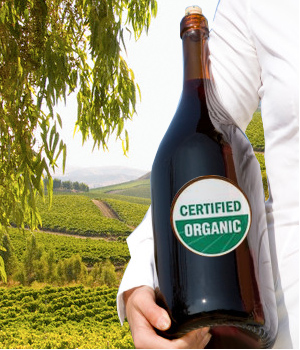
USDA Certified Organic: This classification is only slightly different from 100 percent certified organic; 95 percent of the grapes and process must be classified organic. The winery must prove that the other 5 percent of ingredients are not available as organic in their area or at their vineyard. To qualify under this classification, sulfites cannot be added.
Made with Organically Grown Grapes: the largest of the organic categories, this classification is easier for a winery to obtain. 70 percent of the ingredients must be certified organic and sulfites can be added to the wine.
What are sulfites? Mentioned in each of the categories and gaining a lot of buzz among wine drinkers, sulfites are a naturally occurring preservative in grapes. All wines have sulfites because all grapes have sulfites. However, it has long been the practice to add sulfites during the winemaking process to help prevent oxidation and/or bacterial spoilage. Each winemaking country has different standards when it comes to sulfites. To be certified organic in the United States, a wine cannot have added sulfites; however, in other countries such as France and Italy, organic wines can and usually do have added sulfites.
What about Biodynamic Wines? These are wines that must go through the organic certification process but have an added holistic element. A practice created in the 1920s by scientist Rudolph Steiner, biodynamic agriculture looks at the vineyard as its own ecosystem — the vines, the soil, the animals and celestial cycles are taken into account. In addition to these practices, biodynamic vineyards must have a sustainable approach including water and energy saving techniques.
 What does it all mean? Like any other food consumption decision, price, quality, health and conscience determine what is right for you. In terms of wine quality, there are many great wines that are organic, biodynamic, or neither. In recent years, taste qualities of organic and biodynamic wines have improved and prices have dropped. Another consideration is researching wineries that have organic or biodynamic practices but have not been certified and don’t state it outright on the labels. Like with any wine, find what you like most, not what the critics, prices or friends dictate should be the best. Here’s a great site to help you get started: www.organicwinefind.com