

When the weather changes and your garden nears its end, it’s admittedly hard to think about the following spring. Our minds are focused on what the morning frost indicates about the weeks to come. But with a little planning, and a weekend worth of effort, you can both prepare your garden for the long winter ahead and make your job easier when the snow is gone and you’re ready to put crops back in the ground. Alternatively, if you are looking at winterizing your greenhouse or conservatory, whether for your garden or an outdoor living space. You may want to think about getting in touch with a local service that can help you to insulate your conservatory roof so you can have a warm place to relax during the winter or a place that can protect your growing garden.
Still have some veggies in the ground?
First things first: Some vegetables are more cold-tolerant than others. Some even benefit from the cold, their flavors mellowed and improved. Other vegetables may still be growing in your garden because they simply require a longer growing season than the 70-day (if we’re lucky) season we have in Jackson. Some hardier, cold-weather-tolerant vegetables include:
- Beets
- Broccoli
- Brussels Sprouts
- Cabbage
- Carrots
- Cauliflower
- Collards
- Garlic
- Kale
- Kohlrabi
- Leeks
- Lettuce
- Onion
- Parsnip
- Peas
- Potato
- Radish
- Spinach
- Swiss Chard
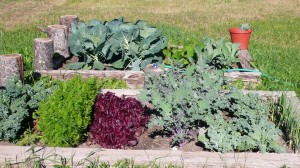
Before
[/twocol_one] [twocol_one_last]
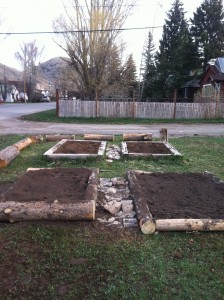
After
[/twocol_one_last]
If this is the case for you, and you have some of these vegetables still in the ground during the fall, you can extend your growing season by protecting them from frost. Simply cover your beds or individual plants with a tarp, bucket, sheet or gardening-specific frost cloth overnight or on cold days to trap ground heat stored during the summer. You might want to use some sort of heat shrink covering and even tape them together using heat shrink tape to cover a wider area. This simple task can usually extend your growing season by a couple of weeks and even longer if we experience the glory of an Indian summer. A more time-intensive alternative for extending your growing season is to build yourself a cold frame, which is essentially a mini-greenhouse. By doing so, you can actually plant some cool-weather crops in the fall (namely radish, lettuce, spinach and Swiss chard) and harvest them in the early part of winter.
It is even possible to leave some of your crops in the ground until the following spring. Garlic in particular cannot handle the heat of the summer and if planted in the fall, will happily lie dormant under a blanket of snow until it is ready to be harvested the following summer. And as an experimental alternative to storing root vegetables in sand or in a cool basement, you may want to try leaving them in the garden beds into the winter. Cover the crops with mulch, which will act as a cold barrier for the roots, and mark where your rows start and end so you know where to dig to get to them. I would recommend using barkdust for this as it will help block weeds yet retain moisture, all the while controlling erosion. Accordingly, you can source barkdust from your nearest barkdust supplier. Though the plants will generally not tolerate temperatures below zero degrees Fahrenheit, you will still have the ability to pull fresh vegetables from your garden for much of the winter. Other crops like kale can also be mulched in the fall, keeping the roots protected from the extreme cold, and the plant should produce well into winter and will be the first to come back in the spring.
Everything is out of the ground … now what?
Now that you’ve truly reaped the last of your garden, a few tasks lie ahead to prepare for the winter and following growing season. If you haven’t been doing so all summer, now is the time to make note of how your garden performed. I like to draw a map of what I planted in each bed (so I know how to rotate them next year!) and jot short notes about each crop: the variety I planted, how much I was able to harvest, how often I watered it, etc. If you’re anything like me, you’re too busy enjoying the height of the summer to be bothered by such a task, so now is the time to do it!
This is also the time to prepare your soil for next year’s garden. The best way to do this is to lightly cover your beds in a thin layer of manure, compost or yard clippings. Turn these soil amendments into your beds before the ground freezes. Remember to leave the surface of your beds rough and uncovered as this maximizes the amount of moisture your soil will be able to gain from the snowfall. Additionally, the freezing and thawing process your garden will soon experience will actually help to mellow the soil and make it more workable for the growing season.
I also recommend using the fall to trim back the tops of your rhubarb plants to help prepare them for a bountiful spring harvest. If you haven’t already done so, late summer and fall is a good time to move your less-hardy herbs to an indoor windowsill. If you have any annual fruits or herbs in planters (I have strawberries, rosemary and chives), I suggest moving them to a covered porch or a more insulated location for the duration of the winter, just like I advise you to move any teak garden benches or other garden furnishings into a sheltered location away from the harsh winter elements.
Most importantly, sit back and relax. When you feel up to it, order those seed catalogs and start planning for next year. See you on the other side!